
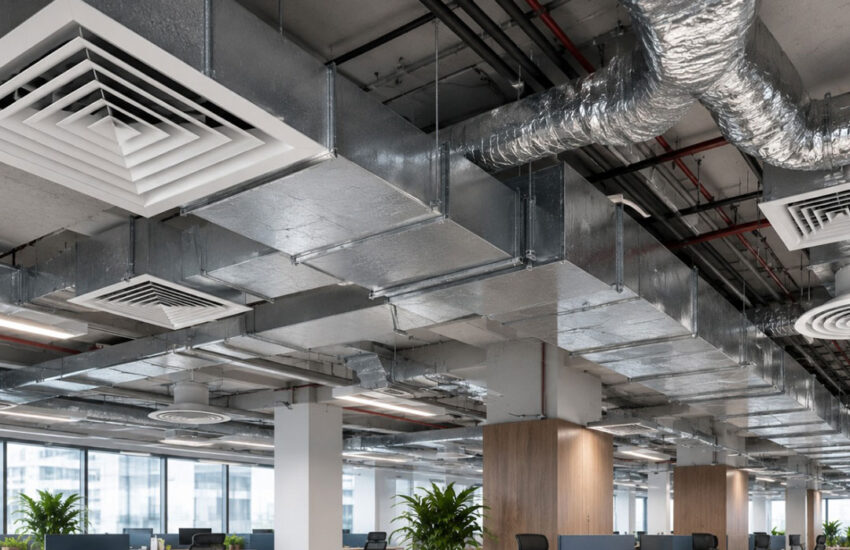
What Is Air Distribution? A Complete Guide
Introduction
When people think about an HVAC system, they often picture air conditioners, chillers, or ventilation equipment. However, one of the most critical aspects of any HVAC installation is air distribution. Without an effective air distribution system, even the most advanced air conditioning equipment cannot provide consistent comfort, maintain indoor air quality, or operate efficiently.
Air distribution refers to the controlled movement and delivery of conditioned air throughout a building. It ensures that cooled or heated air reaches every occupied space in the right quantity, at the right temperature, and with the proper airflow pattern.
Whether it’s a commercial office, hospital, shopping mall, hotel, manufacturing facility, airport, or residential complex, an efficient air distribution system directly impacts energy efficiency, occupant comfort, and HVAC performance.
What Is Air Distribution?
Air distribution is the process of delivering conditioned air from an HVAC unit through a network of ducts and air distribution components into occupied spaces while simultaneously returning air back to the HVAC system.
The objective is simple:
- Maintain desired indoor temperatures
- Deliver fresh air
- Remove stale air
- Control humidity
- Improve indoor air quality
- Ensure occupant comfort
A properly designed air distribution system allows every room to receive balanced airflow regardless of its size or location.
Why Air Distribution Matters
Many HVAC performance issues originate not from the air conditioning equipment itself but from poor airflow management.
An efficient air distribution system helps:
Maintain Uniform Temperature
Balanced airflow prevents certain rooms from becoming too hot or too cold.
Improve Indoor Air Quality
Continuous circulation helps remove dust, airborne contaminants, odors, and excess humidity while introducing fresh air.
Reduce Energy Consumption
When conditioned air reaches occupied spaces efficiently, HVAC equipment works less, reducing electricity consumption.
Enhance Occupant Comfort
Proper airflow eliminates uncomfortable drafts while maintaining a pleasant indoor environment.
Extend HVAC Equipment Life
Balanced airflow reduces strain on fans, compressors, and air handling units, increasing system longevity.
Major Components of an Air Distribution System
An efficient air distribution network consists of several interconnected components.
HVAC Ducts
Ducts transport conditioned air throughout the building.
Common duct types include:
- Rectangular Duct
- Spiral Duct
- Round Duct
- Flat Oval Duct
Properly designed ductwork minimizes pressure losses while maintaining airflow efficiency.
Air Grilles
Air grilles regulate the movement of supply and return air.
They are installed on walls, ceilings, or floors and improve airflow while providing an attractive architectural finish.
Air Diffusers
Diffusers distribute conditioned air evenly throughout occupied spaces.
Their specially engineered blade patterns reduce drafts while improving comfort.
Popular options include:
- Square Ceiling Diffusers
- Linear Slot Diffusers
- Circular Diffusers
- Swirl Diffusers
- Jet Diffusers
Dampers
HVAC dampers regulate airflow inside duct systems.
Common types include:
These devices help maintain proper airflow while improving safety and system efficiency.
Louvers
Louvers allow fresh air intake and exhaust while protecting HVAC systems from rain, dust, insects, and debris.
They are commonly installed on building exteriors.
How Air Distribution Works
The process begins when the HVAC unit cools or heats the air.
The conditioned air then travels through the duct network before being distributed into rooms via diffusers or grilles.
After circulating through the occupied space, return air travels back through return ducts to the air handling unit, where it is filtered, conditioned, and redistributed.
This continuous cycle maintains stable indoor conditions throughout the building.
Common Air Distribution Problems
Poor air distribution can reduce HVAC performance and increase operating costs.
Typical problems include:
Uneven Airflow
Some rooms receive excessive airflow while others remain uncomfortable.
Air Leakage
Poorly sealed ducts allow conditioned air to escape before reaching occupied spaces.
Incorrect Duct Sizing
Improper duct dimensions create excessive pressure losses and inefficient airflow.
Dirty Components
Dust accumulation inside ducts, filters, grilles, and diffusers reduces airflow efficiency.
Poor Air Balancing
Improper balancing results in inconsistent temperatures throughout the building.
Benefits of an Efficient Air Distribution System
A professionally designed system offers several long-term advantages.
Lower Energy Bills
Efficient airflow reduces HVAC operating costs.
Better Indoor Comfort
Balanced air delivery creates consistent temperatures throughout the building.
Improved Indoor Air Quality
Proper ventilation removes pollutants while supplying fresh air.
Reduced Maintenance Costs
Efficient systems experience fewer breakdowns and require less maintenance.
Sustainable Building Performance
Optimized airflow supports green building initiatives and reduces carbon emissions.
Industries That Depend on Air Distribution
Virtually every modern building requires efficient air distribution.
Common applications include:
- Commercial Offices
- Hospitals
- Hotels
- Shopping Malls
- Airports
- Pharmaceutical Plants
- Manufacturing Facilities
- Data Centers
- Educational Institutions
- Residential Buildings
Each industry has unique airflow requirements that influence duct design and component selection.
Choosing the Right Air Distribution Products
Selecting high-quality air distribution components is essential for long-term HVAC performance.
When choosing products, consider:
- Material quality
- Manufacturing precision
- Airflow performance
- Pressure loss
- Corrosion resistance
- Noise levels
- Compliance with HVAC standards
- Customization options
- Manufacturer experience
Working with an experienced HVAC manufacturer ensures compatibility between ducts, grilles, diffusers, dampers, and other system components.
Future Trends in Air Distribution
The HVAC industry is evolving toward smarter and more energy-efficient solutions.
Emerging trends include:
- Smart airflow control systems
- IoT-enabled HVAC monitoring
- Energy-efficient duct designs
- High-performance insulated duct systems
- Low-noise air distribution products
- Sustainable manufacturing practices
- Building automation integration
These innovations help reduce operational costs while improving occupant comfort and environmental performance.
Conclusion
An effective air distribution system is the foundation of every successful HVAC installation. While heating and cooling equipment generate conditioned air, it is the ductwork, grilles, diffusers, dampers, and related components that ensure this air reaches every occupied space efficiently.
Investing in high-quality air distribution products improves indoor comfort, reduces energy consumption, enhances indoor air quality, and extends the life of HVAC equipment. Whether designing a new commercial project or upgrading an existing system, a well-planned air distribution network is essential for achieving reliable and long-lasting HVAC performance.


