
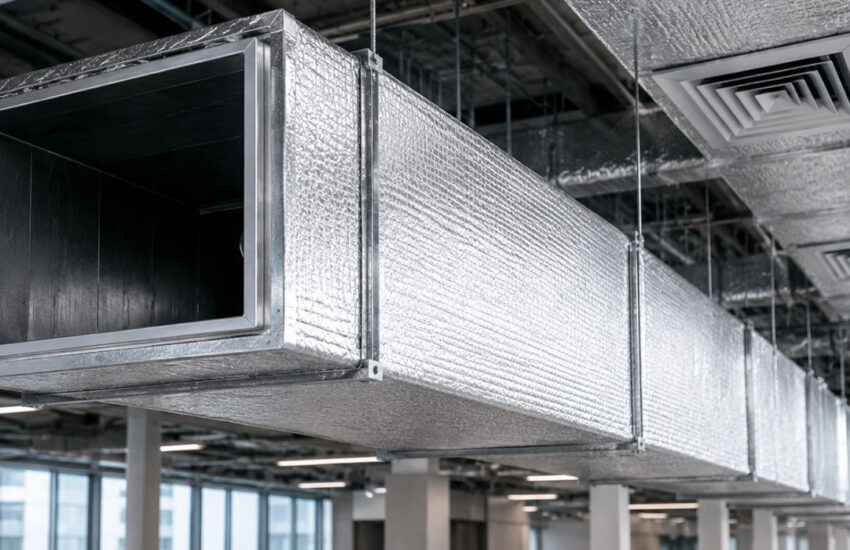
AC Insulated Duct: Why It Is Essential
Introduction
As buildings become smarter and energy efficiency takes center stage, HVAC systems are expected to deliver consistent indoor comfort while consuming less power. While air conditioning equipment often receives the most attention, the ductwork responsible for carrying conditioned air plays an equally critical role in overall system performance.
An AC Insulated Duct is one of the most important components of a modern HVAC system. By minimizing heat gain or heat loss during air transportation, insulated ducts help maintain the desired indoor temperature, improve energy efficiency, reduce operating costs, and enhance occupant comfort.
Whether installed in commercial offices, hospitals, shopping malls, hotels, industrial facilities, or residential buildings, insulated duct systems have become an industry standard for achieving reliable and efficient air distribution.
What Is an AC Insulated Duct?
An AC Insulated Duct is an air distribution duct covered with thermal insulation material to reduce heat transfer between the conditioned air inside the duct and the surrounding environment.
Unlike conventional ductwork, insulated ducts are designed to preserve the temperature of the air as it travels from the air handling unit (AHU) or air conditioning unit to different areas of a building.
The insulation layer also helps reduce condensation, minimizes energy loss, and lowers noise transmission throughout the HVAC system.
Why Insulation Matters
Air supplied by an HVAC system is cooled or heated to a specific temperature before entering the duct network. Without proper insulation, a significant portion of this conditioned air can lose or gain heat while passing through ceilings, plant rooms, shafts, or outdoor installations.
This temperature change forces HVAC equipment to work harder to compensate, resulting in:
- Increased electricity consumption
- Higher operating costs
- Reduced cooling efficiency
- Uneven room temperatures
- Increased strain on HVAC equipment
Properly insulated ducts significantly reduce these problems, allowing the HVAC system to perform more efficiently.
Benefits of AC Insulated Duct Systems
Improved Energy Efficiency
One of the biggest advantages of an AC Insulated Duct is its ability to minimize thermal losses. By maintaining air temperature throughout the duct network, less energy is required to achieve the desired indoor conditions.
This directly contributes to lower electricity bills and improved building energy performance.
Better Indoor Comfort
Occupants expect consistent temperatures across every room. Insulated ducts help maintain balanced airflow and temperature distribution, eliminating hot or cold spots within the building.
Reduced Condensation
When cold air passes through uninsulated ducts in humid environments, condensation can form on the outer surface.
This moisture can lead to:
- Water leakage
- Ceiling damage
- Mold growth
- Corrosion
Insulation acts as a protective barrier, significantly reducing condensation risks.
Noise Reduction
Insulation also functions as an acoustic barrier by absorbing sound generated by airflow and HVAC equipment.
The result is quieter operation, making insulated ducts ideal for:
- Hospitals
- Hotels
- Offices
- Educational institutions
- Conference rooms
Longer HVAC Equipment Life
Since HVAC equipment operates more efficiently when thermal losses are minimized, compressors, blowers, and fans experience less stress, extending the overall lifespan of the system.
Types of AC Insulated Ducts
Different applications require different insulation solutions. The most commonly used insulated duct systems include:
External Insulated GI Duct
Galvanized Iron ducts wrapped with insulation such as glass wool or elastomeric rubber provide excellent thermal performance and are widely used in commercial HVAC projects.
Pre-Insulated Duct
Pre-insulated duct panels combine insulation and duct material into a single lightweight system.
These ducts offer:
- Faster installation
- Lower structural load
- Excellent thermal efficiency
- Smooth internal airflow
PUF Insulated Duct
Polyurethane Foam (PUF) insulation provides high thermal resistance and is suitable for demanding HVAC applications.
Applications of AC Insulated Ducts
Insulated ducts are used in almost every air-conditioned building, including:
- Corporate offices
- Shopping malls
- Hotels
- Hospitals
- Pharmaceutical facilities
- Manufacturing plants
- Airports
- Educational institutions
- IT parks
- Residential complexes
Any project requiring controlled indoor temperatures benefits from insulated duct systems.
Choosing the Right Insulation Material
Selecting the proper insulation material depends on project requirements, environmental conditions, and energy efficiency goals.
Common insulation materials include:
Glass Wool
Widely used due to its excellent thermal and acoustic properties.
Elastomeric Rubber
Ideal for preventing condensation and providing superior moisture resistance.
Rock Wool
Suitable for applications requiring both thermal insulation and fire resistance.
Polyurethane Foam (PUF)
Offers outstanding insulation performance with minimal thickness.
A professional HVAC manufacturer can recommend the most appropriate insulation based on the project’s specifications.
Factors to Consider Before Purchasing
Before selecting an AC Insulated Duct system, buyers should evaluate:
- Thermal insulation performance
- Duct material quality
- Fire safety compliance
- Air leakage standards
- Moisture resistance
- Installation requirements
- Maintenance needs
- Manufacturer’s experience
- Product customization options
Choosing high-quality duct systems ensures long-term reliability and reduced operational costs.
Why Quality Manufacturing Makes a Difference
The performance of an insulated duct depends not only on the insulation material but also on manufacturing precision.
A trusted manufacturer ensures:
- Accurate duct dimensions
- Strong joints and seams
- Proper insulation thickness
- Durable outer finish
- Consistent product quality
- Timely project delivery
Advanced manufacturing technology also improves installation efficiency while maintaining compliance with recognized HVAC standards.
Future of Insulated HVAC Ducts
As India continues to adopt green building practices and energy-efficient construction, insulated duct systems will become even more important.
Modern commercial buildings increasingly prioritize:
- Lower energy consumption
- Sustainable construction
- Improved indoor air quality
- Reduced carbon emissions
- Smart HVAC technologies
High-performance insulated ducts play a vital role in helping projects achieve these objectives.
Conclusion
An AC Insulated Duct is far more than a protective covering for ductwork. It is a critical component that improves energy efficiency, maintains indoor comfort, reduces operating costs, minimizes condensation, and extends the life of HVAC equipment.
Whether for commercial, industrial, healthcare, hospitality, or residential applications, investing in well-manufactured insulated duct systems ensures long-term performance and reliable air distribution. As the demand for sustainable buildings continues to grow, insulated ducts remain an essential part of every modern HVAC installation.


