
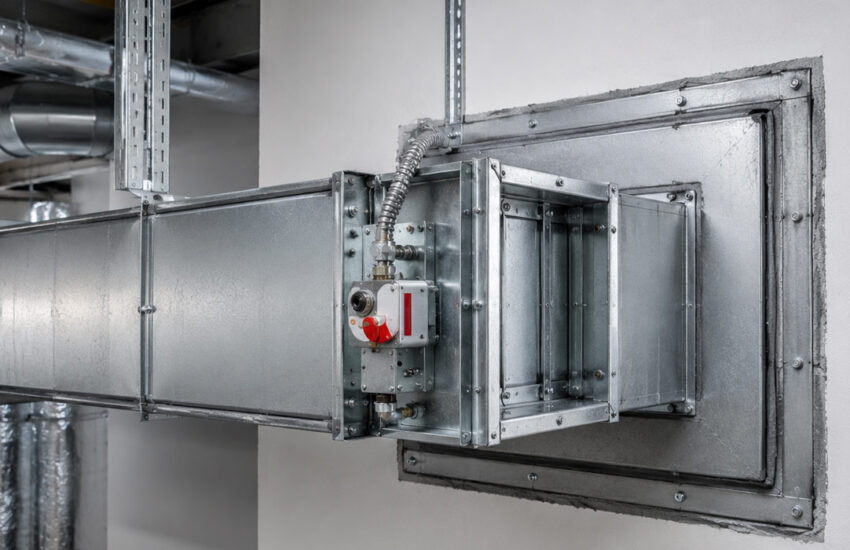
What is the Purpose of a Fire
Understanding the Importance of Fire Dampers in HVAC Systems
A Fire Damper is a critical fire safety device installed within HVAC ductwork systems to prevent the spread of fire through air ducts that pass through fire-rated walls, floors, shafts, and partitions. The primary purpose of a fire damper is to maintain the integrity of fire-resistant barriers by automatically closing when exposed to high temperatures, helping contain fire within a specific area of a building.
In modern buildings, HVAC ducts often penetrate multiple fire compartments. Without proper fire protection, these ducts can create pathways for flames and heat to spread rapidly throughout the structure. Fire dampers help eliminate this risk and play a vital role in passive fire protection systems.
Why are Fire Dampers Important?
During a fire emergency, HVAC ductwork can unintentionally allow flames and hot gases to travel from one room or floor to another. Fire dampers are specifically designed to stop this spread by closing automatically when a predetermined temperature is reached.
Fire dampers help:
- Prevent the spread of fire through duct systems
- Maintain fire-rated wall and floor integrity
- Protect building occupants
- Support safe evacuation procedures
- Reduce property damage
- Improve overall building safety
- Assist in compliance with fire safety regulations
How Does a Fire Damper Work?
Most fire dampers operate using a fusible link mechanism.
Normal Operation
Under normal HVAC operation:
- Damper blades remain open
- Air flows freely through the duct system
- Ventilation and air conditioning operate normally
- During a Fire Event
When temperatures rise above the fusible link’s rated temperature:
- The fusible link melts
- Damper blades automatically close
- Airflow through the duct is blocked
Fire and heat are restricted from passing through the duct opening
This automatic action helps contain the fire within its original compartment.
Where are Fire Dampers Installed?
Fire dampers are typically installed where HVAC ducts pass through:
- Fire-rated walls
- Fire-rated floors
- Vertical shafts
- Service risers
- Fire compartments
- Mechanical rooms
These locations are considered critical points where fire could spread through the building if not properly protected.
Key Functions of a Fire Damper
1. Fire Containment
The primary function is to prevent flames and excessive heat from spreading through HVAC ductwork.
2. Protection of Fire Barriers
Fire-rated walls and floors are designed to contain fire. Fire dampers ensure duct penetrations do not compromise these protective barriers.
3. Life Safety Enhancement
By slowing the spread of fire, fire dampers provide occupants with additional time to evacuate safely.
4. Property Protection
Containing fire within a limited area can significantly reduce structural damage and business disruption.
5. Compliance with Fire Safety Requirements
Many commercial and industrial buildings require fire dampers as part of their fire protection strategy and project specifications.
- Types of Fire Dampers
- Curtain Fire Dampers
These dampers use interlocking curtain-style blades that drop into place when activated by heat.
Common applications:
- Commercial buildings
- Office spaces
- General HVAC systems
- Multi-Blade Fire Dampers
These dampers use multiple blades that close simultaneously when activated.
Benefits include:
- Improved airflow performance
- Lower pressure drop
- Enhanced durability
- Fire Damper Applications
Fire dampers are widely used in:
- Commercial Buildings
- Offices
- Shopping malls
- Corporate towers
- Healthcare Facilities
- Hospitals
- Medical centers
- Laboratories
- Hospitality Projects
- Hotels
- Resorts
- Convention centers
- Industrial Facilities
- Manufacturing plants
- Warehouses
- Processing facilities
- Infrastructure Projects
- Airports
- Metro stations
- Railway terminals
- Residential Developments
- High-rise apartments
- Mixed-use developments
- Fire Damper vs Smoke Damper
Many people confuse fire dampers and smoke dampers, but they serve different purposes.
- Feature Fire Damper Smoke Damper
- Prevents Flames Yes No
- Prevents Heat Spread Yes Limited
- Controls Smoke No Yes
- Activation Method Fusible Link / Heat Smoke Detector / Actuator
- HVAC Application Fire Protection Smoke Control
Some projects may require Combination Fire & Smoke Dampers, which provide both fire containment and smoke control functions.
Benefits of Fire Dampers
Enhanced Building Safety
Helps protect occupants and assets during fire emergencies.
Automatic Operation
Operates without manual intervention when exposed to elevated temperatures.
Long-Term Reliability
Designed for dependable performance throughout the life of the building.
Low Maintenance Requirements
Requires periodic inspection and testing but generally has a long service life.
Improved Risk Management
Supports overall fire safety and emergency response strategies.
Fire Dampers and SMACNA Guidelines
While fire damper performance is typically governed by fire safety standards and project specifications, fire dampers are commonly integrated into HVAC duct systems designed and fabricated according to SMACNA (Sheet Metal and Air Conditioning Contractors’ National Association) guidelines.
Proper duct construction and installation practices help ensure effective fire damper operation and long-term system reliability.
Why Choose Ducttech Fire Dampers?
Ducttech Infrabuild Pvt. Ltd. manufactures high-quality fire dampers engineered for reliable fire protection and HVAC safety applications. Our fire dampers are designed using durable materials and precision manufacturing processes to deliver dependable performance in commercial, industrial, healthcare, hospitality, and infrastructure projects.
Key advantages include:
- Robust galvanized steel construction
- Precision-engineered operation
- Long service life
- Customized sizes and configurations
- Suitable for modern HVAC systems
- Reliable passive fire protection
- Frequently Asked Questions (FAQs)
What is the purpose of a fire damper?
A fire damper is designed to prevent the spread of fire and heat through HVAC ductwork by automatically closing when exposed to elevated temperatures.
How does a fire damper work?
A fire damper typically uses a fusible link that melts at a specific temperature, causing the damper blades to close and block airflow.
Where should fire dampers be installed?
Fire dampers are installed where air ducts penetrate fire-rated walls, floors, shafts, and partitions.
Do fire dampers stop smoke?
No. Fire dampers primarily prevent the spread of flames and heat. Smoke dampers are used to control smoke movement.
What is the difference between a fire damper and a smoke damper?
Fire dampers are activated by heat and prevent fire spread, while smoke dampers are activated by smoke detection systems and control smoke movement.
Are fire dampers mandatory?
Requirements vary depending on building codes, fire safety regulations, project specifications, and building design.
How often should fire dampers be inspected?
Inspection and testing intervals depend on local regulations, maintenance programs, and building requirements.
Can fire dampers be customized?
Yes. Fire dampers are available in various sizes, configurations, and installation arrangements to suit different HVAC systems.


